If your home feels crowded but you don’t know where to start, you’re not alone. Clutter builds pressure, even when you can’t name it. Then one pile turns into three, and you lose time before you even begin your day.
The good news? Declutter your home step by step, and you’ll feel the difference fast. You’ll stress less, find things quicker, and make space for real life again. In 2026, people are mixing simple habits with smart tools, like AI planning, sustainable storage swaps, and magnetic organizers for small spaces.
Start small, stay kind to yourself, and use a process you can repeat. Next, you’ll build the mindset and grab the basic tools to make the whole project feel doable.
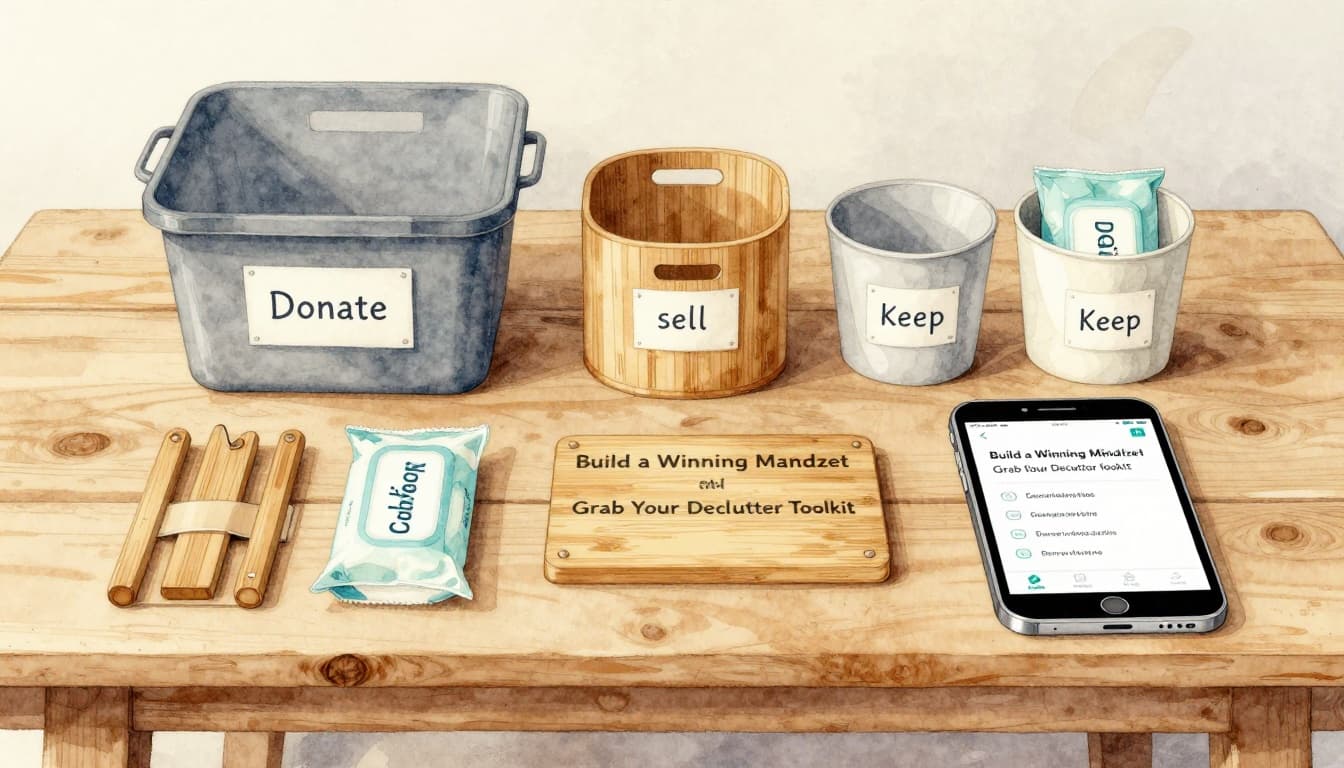
Build a Winning Mindset and Grab Your Declutter Toolkit
Before you touch a single drawer, change the question in your head. Instead of “How do I fix the mess?” try “How do I want to live in this space?”
That shift matters because decluttering isn’t punishment. It’s editing. It’s choosing what earns a spot in your day-to-day routine. And if you like the KonMari idea of spark joy, that can fit here too. You’re still deciding with your real life in mind, not chasing an empty look. For a refresher on the official approach, see KonMari’s guidance on spark joy.
Now grab a small toolkit. You don’t need bins for every category. You need a system you can run again and again.
Here’s what to gather:
- Four boxes or bags labeled: trash, donate, sell, and keep
- Cleaning wipes or a small spray for quick surfaces
- A phone to take photos, get help, and track next steps
- A timer (10 to 25 minutes) so you don’t spiral
- One eco swap you’ll buy only if it truly solves a problem (like bamboo storage)
If you want a 2026-friendly habit, start with a 5-minute daily scan. Just one room. Look for obvious “not used” items, then put them into the right pile. Small checks beat giant weekend binges.
Finally, add one rule that prevents clutter from coming back: one in, one out. If you bring home something new, remove something old. It keeps your home from quietly refilling.
Use AI and Quick Habits to Stay Motivated
AI can help when your brain freezes. It can break the job into smaller steps. It can also help you plan around your actual space.
For example, some apps let you scan a room and create a cleanup plan. Cleo’s AI home organizer is one option people use for that kind of guidance. Even if you don’t use it, the idea is simple: use AI to turn “declutter” into a short task list.
Meanwhile, keep your habits tiny. Try this:
- Do one scan in the morning or after dinner.
- Put items in motion right away (trash bag, donate bag).
- Stop when the timer ends, not when you feel drained.
Also, watch what you buy. One big driver of clutter is “quality shopping” that adds up. So choose fewer, better pieces, and choose eco materials when you can. For natural storage inspiration, browse MUJI’s bamboo storage options. Bamboo and wood often look warmer than plastic, and they work well in small rooms.
Here’s the mindset boost that makes it last: you’re not trying to earn a trophy. You’re trying to make tomorrow easier.
And once your mindset is set, it’s time for the step-by-step part.
Declutter Room by Room Without Feeling Overwhelmed
Decluttering gets overwhelming when you treat the whole house like one giant project. Instead, do it like cooking. One pan at a time.
Use this simple room loop each time:
- Clear the space fully (move everything out of the spot you’re working on).
- Sort into keep, trash, donate, and sell.
- Clean the empty surface (fast wipes count).
- Group like items together so you can see what you own.
- Store items off the floor and in zones you’ll actually use.
You’ll notice something after the first room. The mess shrinks. Your decisions get easier. That’s why room-by-room works.
Also, keep your pace slow. You can declutter quickly without rushing. If you feel stuck, set a 15-minute timer and only sort. No organizing yet.
When you’re ready, use 2026-friendly tricks:
- Magnetic storage for small items and vertical space
- Natural bins and baskets instead of extra plastic containers
- Smart folding for clothes (KonMari style works well in drawers)
Now let’s do it room by room.
Kitchen: Ditch Duplicates and Reclaim Your Counters
Kitchen clutter is usually hiding in plain sight. It’s in the mug pile, the “maybe later” gadget drawer, and the extra spices no one uses.
Start by clearing one zone, like your counter corner or a single cabinet shelf. Pull everything out, then sort fast. If something is broken, expired, or you already have a newer version, it’s time to go.
Aim for “duplicates out” first. Extra mugs and backup gadgets feel useful, but they take up daily space. Replace them with what you truly use.
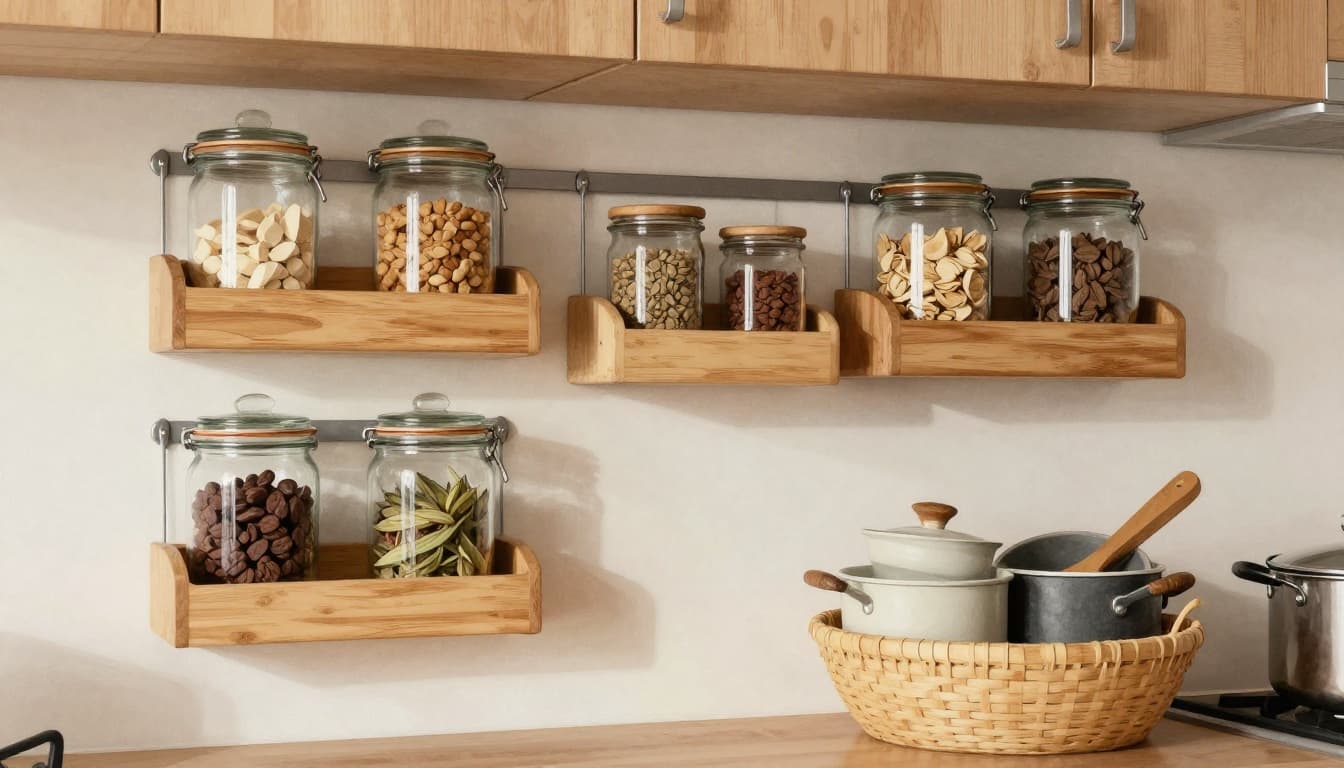
Also, do a quick sustainable swap. If you keep reaching for cheap plastic tools, consider wood or bamboo pieces you enjoy using.
Here’s a simple kitchen plan you can follow:
- Toss broken items and expired food.
- Separate duplicates (like extra mugs and redundant spatulas).
- Group pots together, so lids don’t scatter.
- Wipe bins and wipe the inside of drawers.
For knives, vertical storage can make a huge difference in small kitchens. One option is a magnetic knife setup, like Kilne’s magnetic knife block. It keeps blades safer and frees drawer space.
Bedroom and Closet: Keep Only What You Love and Wear
Your bedroom should feel like relief, not a storage unit.
Start with one drawer or one section of the closet. Empty it out. Then decide what stays based on use, not guilt. If you haven’t worn something in a year, be honest about your habits. If it’s still “maybe,” it’s probably “later.”
Use a “use it or lose it” mindset for clothing. Then handle the keep pile by category:
- Tops together
- Bottoms together
- Sleepwear separated (if you mix, it adds chaos)
- Shoes stored so pairs match easily
For folding, KonMari-style folds help because they make items visible. When you can see what you own, you avoid buying repeats.
For selling and donating, make it simple. If you want an online option, Vinted can help you move pre-loved items. To start with donating from sales, see donate from your Vinted sales.
Next, use space rules that prevent future mess:
- Avoid hanger duplicates (too many similar hangers can slow you down).
- Keep belts and shoes in small zones.
- Store off-season items in bins only if they stay closed and tidy.
The win here is emotional. When your closet becomes smaller, your morning becomes calmer.
Living Room: Clear Surfaces for a Cozy Hangout Spot
Living rooms collect clutter from everyone in the house. It shows up as random remotes, mail scraps, and “just set it down” items.
Pick one surface. A coffee table, TV console, or entry spot near the sofa. Clear it completely.
Then sort:
- Trash, like broken decor and old papers
- Donate, like magazines you no longer read
- Keep, like what you use every week
Use natural baskets for blankets and small items. They look warm, and they hide visual noise. For remotes and keys, wall storage works better than bins under furniture. Magnetic holders also help because you can put items back in seconds.
Keep a daily “10 item rule” here. Ten items per day sounds small, but it adds up quickly. After a week, your room feels new.
If you share this space, aim for shared habits. Put one basket where “random” goes. Empty that basket on your regular declutter day.
Bathroom: Simplify Counters and Cabinets Fast
Bathrooms turn messy fast. Products multiply, bottles get stuck, and counters stop looking like counters.
Start with your counters only. Clear everything off, wipe the surface, then sort your items by what you’ll use in the next month.
Be ruthless with:
- Expired items
- Duplicate products
- Anything with a broken cap or crusty bottle
Next, store small items in clear groupings. Glass jars or small containers make it easier to see what’s left. Cotton balls, Q-tips, and hair ties all benefit from a dedicated home.
If you shave or use razors often, magnetic holders can reduce drawer clutter. The goal is simple: keep the bathroom tools you touch daily close, and move the rest out of sight.
When the bathroom stays simple, it feels like a mini spa every day.
Entryway and Home Office: Tame the Chaos at Your Door
Entryways and home offices build clutter because they sit at the transition points of your day. You drop things when you rush. Then you forget to return them.
Start with the top problem spot. For entryways, that’s usually the table. For home offices, it’s the paper stack and “open” desk drawer.
Try this:
- Clear keys, mail, and the current paper pile.
- Make three paper zones: keep, shred, sell.
- Put keys and small daily items in one tray.
Magnetic storage also helps here, especially for small metal items and tools. For shoes, a wall-mounted organizer keeps them off the floor. That alone cuts clutter.
If you use AI planning for office tasks, you can ask for a simple “paper sorting plan” for your desk area. Then follow the plan during a 20-minute session.
A tidy entryway changes how you feel when you walk in. It signals “I’ve got this.”
Supercharge Your Declutter with Fun 2026 Challenges
If decluttering feels like a slog, try turning it into a game. In 2026, many people do that with month-long challenges and small daily limits.
These are trending because they build habits, not one-time relief. Quick fixes feel good, but clutter returns fast. Challenges keep you moving until the habit sticks.
Here are popular challenge styles you can pick from:
| Challenge | What you do | Best for |
|---|---|---|
| 30-Day Minimalism | Remove 1 item on day 1, then increase daily | People who need momentum |
| 12-12-12 | For a set space: 12 trash, 12 donate, 12 relocate | Busy schedules |
| 5-Day Clutter Shakedown | Remove or place items right away, no piles | People who get overwhelmed |
| Use It or Lose It | Set a timer, remove unused items | Spots like bathroom or kitchen |
| Upside-Down Decluttering | Flip items in a cabinet, keep only what you flip back | Drawers and shelves |
For the 12-12-12 method, you can use a simple guide like 12-12-12 decluttering from No Sidebar. The point isn’t the exact method. The point is the structure.
If you do the 30-day style, you might hit 400 items by the end of a month (numbers vary by the month length). That’s not magic. It’s math plus consistency.
Start with small rooms. Closets, bathroom shelves, and one kitchen cabinet section are perfect. Then, let the energy carry you into tougher areas.
And sustainability can be part of the game too. Donate quickly. Recycle what you can. Then set aside one “future buy rule” so you don’t refill the space.
Lock in Your Wins: Daily and Long-Term Habits for a Clutter-Free Life
Decluttering isn’t a one-time event. It’s a rhythm.
Start with a daily habit that takes almost no time: one 5-minute scan. Do it in one room only. Remove one item from that room, then put it where it belongs or move it out.
Next, use a weekly rhythm. Try this:
- Pick one small zone.
- Run a 10 item challenge.
- Reset bins and baskets so they look intentional.
Then add a monthly repeat. Choose one room and run the room loop again. You’ll catch what you missed before. You’ll also see how habits affect your space.
For the long term, do a yearly duplicate check. Use your phone camera to scan shelves quickly. Then ask AI for a room plan if you want help with next steps. Some people also use decluttering app guides to find what works for their style, like best decluttering apps for home clutter.
Most importantly, follow the “before buying” rule. Ask:
- Will this fit how I live?
- Does it replace something?
- Is it made from materials I’m okay owning for years?
A clear home doesn’t happen because you spend one weekend fixing everything. It happens because you keep your choices small and steady.
In other words, you don’t need a perfect house. You need a repeatable system.
Conclusion
Clutter feels heavy because it pulls you out of the life you want. When you declutter your home step by step, you turn that weight into clear space and calmer days.
Start with the right mindset and a simple toolkit. Then work room by room using the same loop. Add a 2026 challenge for momentum, and lock it in with quick daily scans.
This week, pick one room and one small zone. Clear it, sort it, and reset it. Then watch how fast your home stops feeling like a burden.