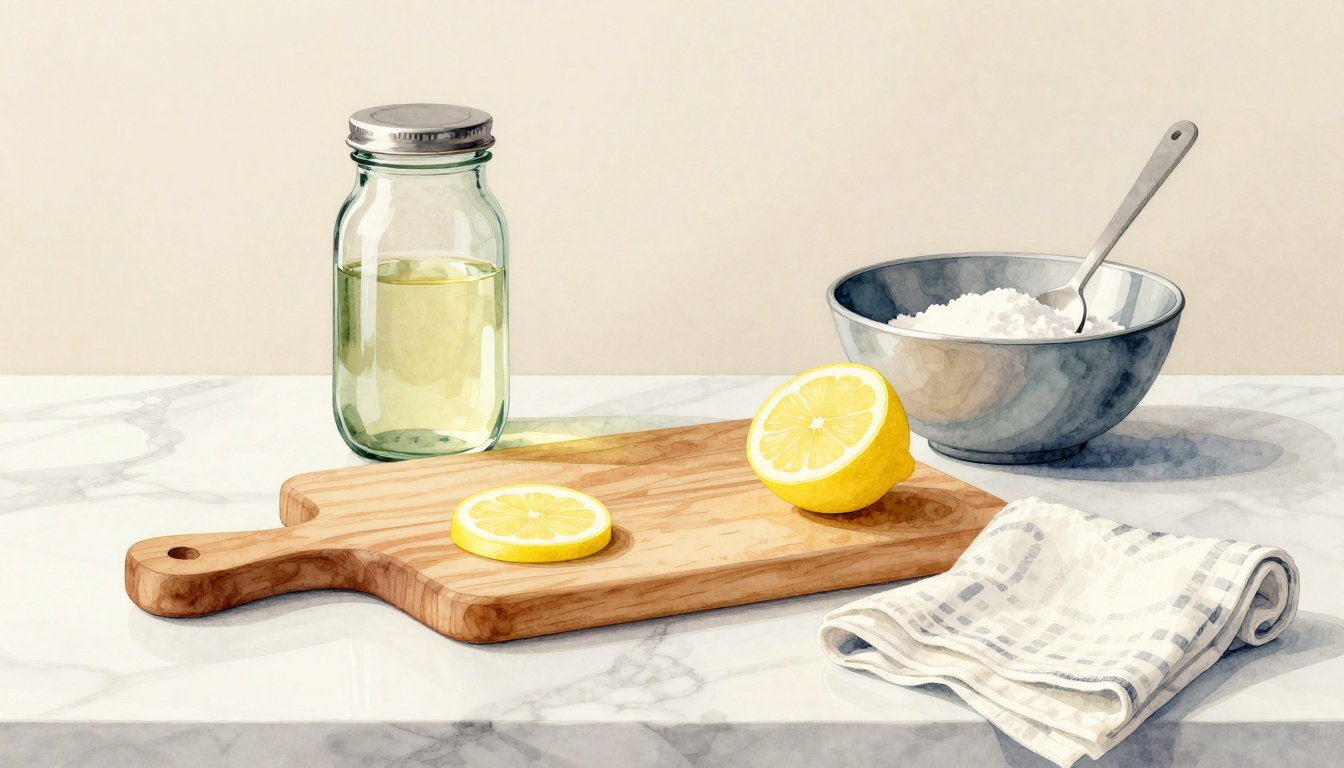
Ever wiped a countertop with “one spray for everything” and watched it turn dull? Or used too much water on wood, only to notice swelling later? Surface damage usually comes from one thing: the wrong cleaner, applied the wrong way.
The good news is you don’t need harsh chemicals to keep your home looking fresh. With the right tools, gentle formulas, and quick drying habits, you can clean wood, stone, glass, metal, fabrics, and floors without expensive repairs.
This guide focuses on simple everyday ingredients plus a few 2026-friendly cleaners. You’ll also pick up pro habits for safe disinfecting and streak-free shine. Let’s make cleaning easier, safer, and more predictable.
Gather Gentle Supplies That Clean Multiple Surfaces Safely
If cleaning is a “tool problem,” then your supplies are the fix. Start with microfiber cloths and a microfiber mop. They trap dirt instead of pushing it around. Next, keep a simple rotation of cleaners that match how surfaces react.
Here’s a practical setup that works across many homes:
| Supply | Best for | Why it’s safer |
|---|---|---|
| Microfiber cloths | Dusting, wiping, buffing | Less scratching than paper towels |
| Mild dish soap | Floors, counters, appliances | Cuts grease without harsh acids |
| White vinegar (diluted) | Glass, some sealed surfaces | Works well when diluted and used briefly |
| Baking soda | Paste scrubs and deodorizing | Gentle abrasive when mixed into a paste |
| pH-neutral cleaner | Stone, “touchy” finishes | Less risk of etching and finish loss |
In 2026, people are still leaning toward plant-based and nontoxic options. If you want a sanity check on what’s considered safer, see The Good Trade’s nontoxic cleaning picks. Also, Healthier Homes’ guidance on safest cleaners is a good reminder to check ingredients before you spray.
Now add three habits that prevent most damage:
- Work top-to-bottom. Dust falls down. If you wipe floors first, you’ll just redo everything.
- Keep shoes off indoors. Tracked grit acts like tiny sandpaper. A no-shoes rule cuts dirt build-up fast, especially at entryways.
- Follow the label for disinfecting time. Many EPA-registered disinfectants require a set “dwell time,” often around 30 seconds. Don’t wipe early.
Avoid these common traps. All-purpose sprays can be too strong for wood and some stone. Abrasive pads can pit metal and scratch coatings. And excess water is a bigger enemy than most people think.
Before you clean, do one fast test: use the cleaner in a small spot. Then wipe, dry, and check the finish. When you match the method to the surface, you avoid “oops” moments.
Restore Wood Furniture and Hardwood Floors to Like-New Condition
Wood loves gentle care because it’s porous and finished in different ways. If you over-wet it, it can swell, cup, or dull. If you strip the finish, it loses its shine.
Think of wood like a sponge with a coat of paint. You can clean the surface, but you can’t flood it. Also, always dust first. Dirt grinds when you wipe.
For best results, start with dry dusting (microfiber cloth). Then use a lightly damp cloth or a properly wrung mop. Finally, dry right away. Speed matters.
For product-specific guidance, it helps to compare options. This HGTV review of hardwood cleaners can help you choose a finish-friendly formula, such as pH-balanced sprays made for sealed floors: HGTV’s best hardwood floor cleaners.
Cleaning Wood Furniture Gently
For most wood furniture, the weekly reset is simple. Dust first with a dry microfiber cloth. It lifts grit that can scratch if you wipe too soon.
For a deeper clean, use a diluted vinegar mix or a mild wood cleaner. A good rule is one part vinegar to eight parts water, applied to a wrung-out cloth, not poured. Wipe with the grain, then buff dry.
If your furniture is sealed and you want a classic choice, use Murphy’s Oil Soap, diluted as directed. That keeps the wood looking warm without stripping oils.
A few mistakes to avoid:
- Don’t soak the cloth. If it drips, it’s too wet.
- Skip harsh all-purpose cleaners. They can strip the finish over time.
- Don’t use abrasive scrubs on shiny coatings.
When you finish, take a minute to buff dry. That’s what stops water marks and dull spots. If your piece looks tired, conditioning can help later, but cleaning comes first.
Mopping Hardwood Floors Without Puddles
Hardwood floors need a clean base, then careful moisture control. Start by sweeping or vacuuming with a HEPA filter if you have one. Dust and grit act like sand under a mop.
Next, mix your cleaning solution and keep the mop nearly dry. Many people use a vinegar mix in warm water, but the key is the same: wring the mop until it’s damp, not wet. Work in small sections. Then dry-buff with a clean towel if any dampness remains.
If you prefer a floor-specific product, Bona is widely used for finished floors. Use it exactly as directed. The common thread is residue-free cleaning plus quick drying.
Also, avoid steam mops. Steam can push moisture into joints and damage certain finishes. Instead, stick to damp mopping and fast drying.
Common “why is my floor dull?” causes:
- Over-wetting (even “small” puddles add up).
- Leaving residue from strong cleaners.
- Skipping the prep step (dust gets smeared).
When you keep the mop wrung out and dry the floor quickly, hardwood stays smooth and bright.
Achieve Streak-Free Shine on Glass and Stainless Steel
Glass and stainless can look amazing when you use the right cloth and wipe pattern. They also punish mistakes quickly.
For glass (windows, mirrors, bathroom glass), use a diluted vinegar-water mix (often 1:1) and a lint-free microfiber cloth. Then wipe in an “S” pattern. Finish with a dry buffing cloth.
If you want a ready-made glass route, Weiman’s glass cleaner page is useful for choosing a formula meant for streak-free results: Weiman Glass Cleaner.
Two rules prevent streaks:
- Don’t clean in direct sun. It dries too fast.
- Don’t use linty paper towels. They leave fibers.
For stainless steel appliances, fingerprints show up the moment you touch them. Start with a damp microfiber cloth and a small amount of mild dish soap. Then rinse with a second cloth if needed, and dry.
For sticky grease, make a baking soda paste (baking soda plus a little water). Rub gently, then wipe clean and dry.
Always wipe with the grain direction. That’s how you avoid visible swirl marks.
For stainless-specific product tips, you can reference Weiman’s stainless lineup, including what’s designed for streak-free shine: Weiman stainless steel care.
Sparkling Windows and Mirrors Every Time
Here’s a simple glass routine that works in bathrooms and kitchens:
- Dust first (dry cloth or soft brush). This prevents smears.
- Spray lightly. Don’t soak the glass.
- Wipe with microfiber in an S pattern.
- Buff dry with a second clean cloth.
If you see faint streaks, it’s usually residue or uneven drying. Add a quick buff. If residue keeps coming back, switch to a cleaner cloth and use less solution.
Avoid these glass mistakes:
- Spraying directly onto hot glass.
- Using one cloth for dust and polishing.
- Over-scrubbing. It can spread grit across the surface.
Polishing Stainless Steel Appliances Smoothly
Stainless steel looks best when you clean gently and dry fast. First, remove the grime, then polish the surface.
- For fingerprints: damp microfiber with a drop of dish soap, then dry buff.
- For grease: baking soda paste, gentle wipe, rinse if needed, then dry.
- For routine shine: a stainless-specific cleaner can help resist future smudges.
Skip steel wool and harsh pads. They can pit the surface and leave permanent marks. Also, don’t let cleaning liquid pool around handles. Wipe those areas quickly.
One last detail: keep a dedicated stainless cloth. If your cloth touches glass cleaner residue, it can leave spots on steel.
Protect Marble and Granite Countertops from Permanent Etching
Marble and granite look strong, but they’re sensitive to certain chemicals. Etching happens when acids break down the stone surface. It leaves dull, permanent marks that don’t “wash off.”
Treat them like antiques with a job to do. Gentle cleaning, immediate drying, and safe stain handling.
Start with a dry dusting. Then use mild soap and water on marble. Granite often handles routine soapy water well, but both surfaces need quick drying.
Avoid acids at all costs. That means no vinegar, no lemon juice, and no “acid-based” degreasers. Baking soda paste can help on some stains, but don’t use it as an everyday cleaner. And skip harsh all-purpose sprays that may contain acids or additives.
For disinfecting safety and “no damage” reminders from stone care experts, Granite Gold has a helpful guide on sanitizing without damaging stone: sanitize marble and granite safely.
Gentle Daily Care for Marble
Marble needs soft cleaning. Use warm water with a mild soap on a soft cloth. Wipe gently, then dry right away with a clean towel.
For stains, use the right method. For example, a baking soda paste can pull some stains, but treat it like a targeted spot job. Don’t leave it sitting too long unless the product method says so.
Also skip “natural acid cleaners” like citrus blends. They sound gentle, but they can etch marble.
If you notice dull spots forming around everyday cleaning, pause and switch to marble-safe soap-water only.
Maintaining Granite’s Natural Beauty
Granite is tougher than marble in many cases, but it still dislikes harsh acids. For daily cleaning, use soap and water. Then dry.
For tough spots, move slower and treat them like chemistry. A poultice can draw out certain stains. Follow product directions so you don’t create residue or oversaturation.
Seal matters. If your granite is sealed, plan for re-sealing yearly (or based on your product and home conditions). Sealing helps water-based spills wipe up before they sink in.
One more warning: oily cleaners can leave a film. If your granite feels tacky after cleaning, switch cleaners and rinse lightly with clean water, then dry fully.
Safely Freshen Leather, Upholstery, Walls, and Screens
These surfaces are where people get brave and then regret it. Leather cracks when it gets soaked. Upholstery can grow odors if you over-wet it. Painted walls can stain if you scrub too hard. And electronics can short when liquid sneaks inside.
So keep it simple: dry first, then spot clean, then dry.
A good approach:
- Use minimal water.
- Blot instead of rubbing.
- Test in a hidden spot first.
Conditioning Leather Furniture Right
Leather care starts with dry dusting. Use a soft cloth (or a soft brush) to lift dust.
For cleaning, use mild soap and water sparingly, applied to a cloth, not the leather. Then dry quickly with a clean towel.
Condition leather about once a month, or as the care label suggests. Leather Honey is a common choice, but test first on a less visible area. The point is protection, not soaking.
Avoid these leather mistakes:
- Saturating the surface.
- Using harsh cleaners meant for kitchens.
- Leaving it damp while you do other tasks.
Spot Cleaning Upholstery Fabrics
For fabric upholstery, the safest first step is vacuuming. Then handle stains with blotting.
For water-safe fabrics, dab a cloth with mild soap and water. Blot gently until the stain lifts. Don’t scrub hard, or you’ll grind the stain deeper.
Odors can often improve with baking soda. Sprinkle lightly, let it sit briefly, then vacuum. Always test first if you have patterned or delicate fabrics.
When you find a stain, look for the care code on cushions. The “W” code usually means water-based cleaning is OK. If you’re unsure, choose an upholstery cleaner meant for fabric care, like Resolve for spot jobs.
Wiping Painted Walls Clean
Painted walls are easy to ruin because the finish varies. Start with dry dusting. A microfiber cloth helps remove surface grit without friction.
For smudges, use a damp soft sponge (like a soap sponge) and a light soap-water solution. Then rinse the sponge and wipe again. Finally, dry with a towel.
For grease spots, baking soda can help as a gentle scrub. However, keep pressure light. If the paint starts to look dull, stop and switch methods.
For tough scuffs, Mr. Clean Eraser can work, but use it gently and sparingly. Too much erasing can wear the paint layer.
Screen Cleaning for Electronics
Screens need almost no liquid. That’s the big rule.
First, power off the device if you can. Then dust with a dry microfiber cloth. This removes loose grit that causes scratches.
For smudges, use a microfiber cloth lightly misted with a safe mix, like distilled water plus a small amount of isopropyl alcohol (as many screen-cleaning kits recommend). Don’t spray the screen directly. Instead, wipe gently and buff dry.
If you use a kit, Whoosh is a well-known option for screen care routines. Follow the kit steps for best results. Keep liquids away from ports and seams.
When in doubt, less is safer. Screens are delicate, and moisture can be a silent problem.
Conquer Tile and Laminate Floors Without Scratches or Warps
Tile and laminate both handle traffic, but they fail differently. Tile scratches when grit gets dragged. Laminate warps when water seeps into seams.
So begin with prep. Sweep or vacuum first. Then clean with the right amount of water.
For tile, grout can be stubborn. Use a gentle soap mop for daily cleaning, then spot scrub grout with a paste. Some people use peroxide plus baking soda for targeted grout jobs, but test first and ventilate well.
If you need a tougher option for tile and grout, Scrubbing Bubbles is commonly used for bathroom grime. Follow directions and rinse thoroughly.
For laminate, treat it like a water-sensitive surface. Use vacuuming first. Then mop with a cleaner diluted properly and a microfiber mop wrung super dry. Avoid steam mops. Also avoid leaving cleaner residue.
Brightening Tile and Grout
Tile cleaning works best in two passes. The first removes general dirt. The second targets grout spots.
- Sweep or vacuum crumbs.
- Mop with warm soapy water (or diluted vinegar for appropriate sealed areas).
- For grout: use a toothbrush and a baking soda-based paste.
- Rinse well and dry if needed.
A simple rinse step matters because leftover cleaner can make grout look dingy over time.
Laminate Floor Mopping Basics
Laminate looks like wood, but it acts differently under moisture. Keep water off the edges and seams.
- Vacuum or sweep first.
- Use a diluted cleaner only.
- Wring the mop until it’s nearly dry.
- Work in small areas, then dry-buff if any dampness remains.
Skip steam. Also skip soaking mops. Laminate warps when water sits long enough.
If your floor has a haze after cleaning, that usually means residue. Switch to a simpler cleaner, use less, and wipe up any excess.
Conclusion
The secret to cleaning different surfaces without damaging them is simple: match the cleaner to the material, then control moisture and drying. Wood and laminate hate puddles, while marble and granite hate acids. Glass and stainless look best when you use microfiber and buff dry.
Start small this week. Use a no-shoes rule at entryways, do a quick weekly dusting, and save the stronger scrubs for spot problems only. You’ll spend less time redoing, and your home stays in better shape.
What surface do you struggle with most, wood, stone, glass, or fabric? Share your biggest win in the comments, and pin this guide for your next clean-up.